
Remembering the body
Today I thought of those that are dead. I thought of how my own body has limited time and how I can use those hours to paint and breath. How my breath connects me to our shared life force. My experiences of the dead and the viewing of 'Dead dad'. The sensation of letting go of the last breath of a living soul and experiencing the 'old overcoat' or shell left after death. The waiting for a breath in the sculpture. I thought of how I experienced this in the Sensation show all those years ago and why it made me weep. The expression of the physicality of bodies, the embodiment of life.
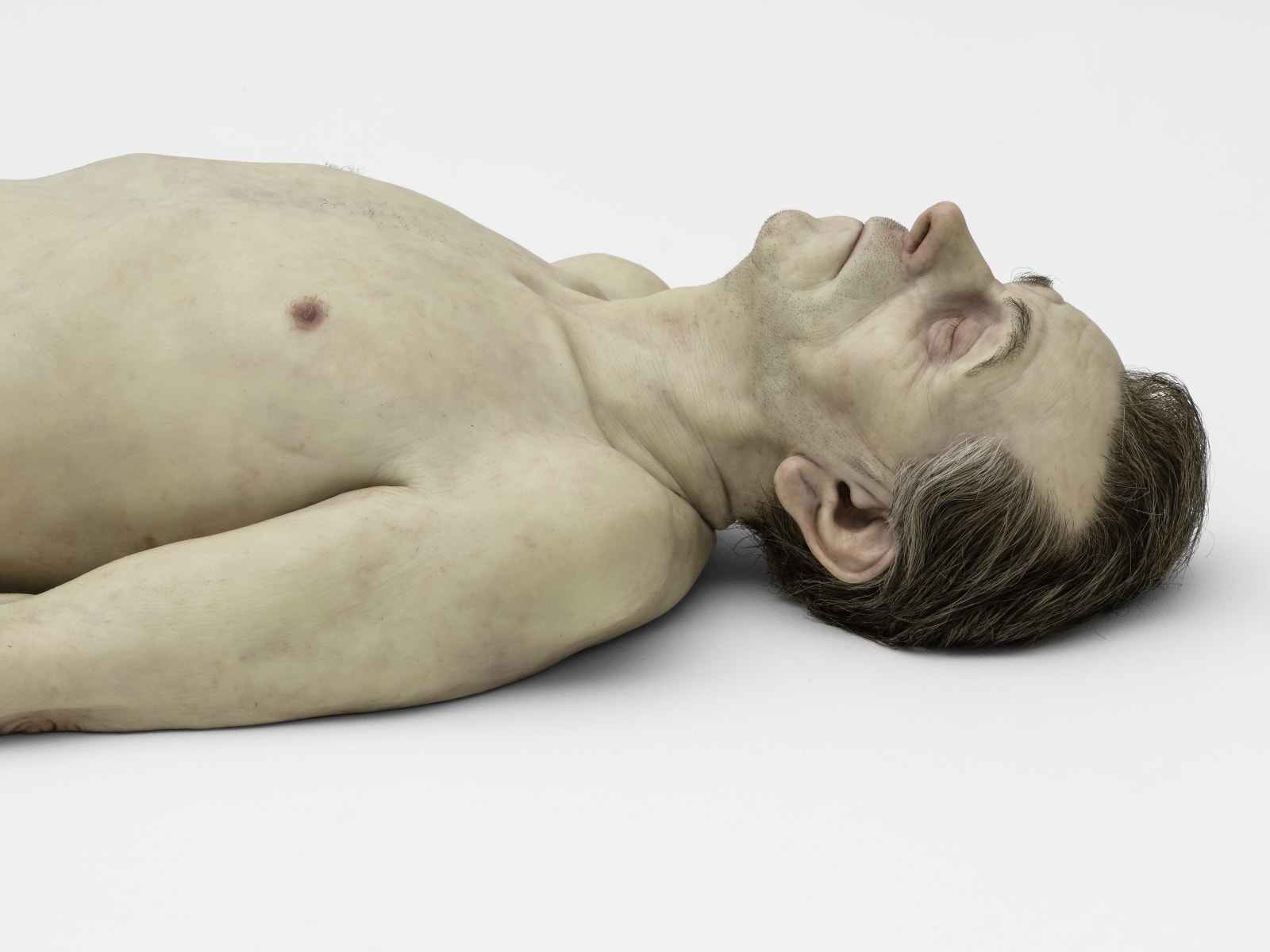
Dead Dad," Ron Mueck, 1997 Royal Academy of Arts exhibition "Sensation" in London
Embodiment (The Lecture) , The Digital Glaze & The Riverbank
The Visceral Body The session focused on "embodiment"—how we engage with paint using our bodies and how bodies exist within painting.
-
The Human Machine: We examined the "messy" reality of creation. Oscar Murillo’s process is driven by sweat and physical energy, contrasting with the "Hand of God" concept where creation appears divinely from a cloud.
-
Filtration vs. Metabolism: A key distinction emerged between Freud and Bacon. Freud observes, filters, and records; it is a forensic, unforgiving observation of flesh. Bacon, however, metabolises the world through the making. His studio—a "shit show" of chaos—mirrors his tormented subjects. The paint is not just a picture of struggle; it is the struggle itself.
The Digital Shift (George Rouy) Rouy’s figures represent a "swipe aesthetic"—airbrushed, blurred, and flattened.
-
The Observation: When looking at Rouy’s work, I noticed a specific sensation: my eye seemed to "glide" off the surface. It was difficult to find purchase or connect physically or feel certain of what I am viewing/feeling.
-
The Context: This aesthetic feels reflective of the doomscrolling habit of 2025. It mimics the screen—confused, less emotionally communicative, and sealed off. The Transient Gaze The sensation of "gliding off" Rouy’s paintings is symptomatic of a wider issue: how we engage with art online. The medium has infected the message. Viewing Old Masters digitally reduces them to a stream of data; we consume the image, but we do not physically "meet" the work. We miss the "stink" of the human body that Bacon and Freud provide. The digital gaze turns understanding into a transient thing, devoid of the multi-perspective of real-life experience.
The lecture touched on the "viewer experience"—how Sickert makes us voyeurs or Currie makes us feel observed—but the river visit clarified the mechanics of this.
The water surface viewed analogy.
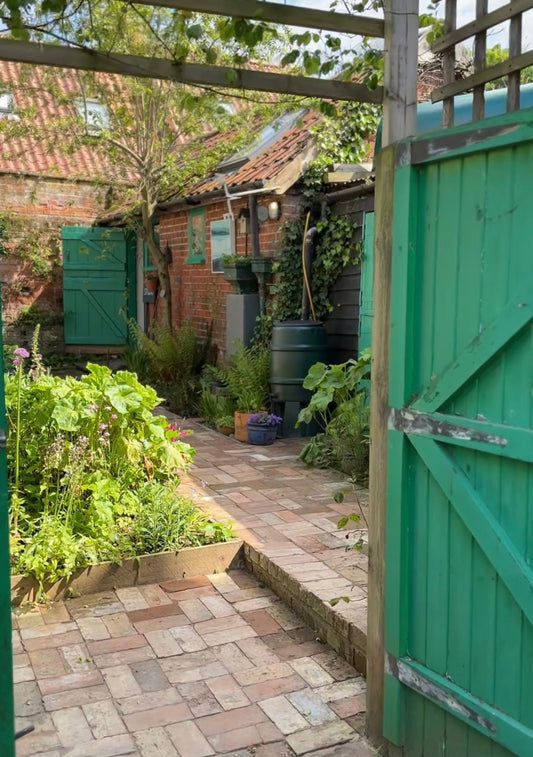
The River Waveney - another excuse to go down to the river!! Following Dominic Shepherd’s observation that "painting is like a portal" or "the surface of water," I went to the River Waveney to test this physically. I recorded the surface: the flow, the reflections, and the noise.

[My experience of the depth was one of fear... of otherness and a sense of outside a world.]
The Ecology of Viewing (The River Analogy) Standing on the bank, I became acutely aware of two distinct realities:
-
The Depths (The Painting/artists world): The ecosystem of the water—the life within, the currents, the cold, and the environment inside the "portal."
-
The Bank (The Viewer): My physical reality—my safety, my footing, the weather, and my current mood.
Viewing a painting is not a disembodied act. Just as I was aware of the safety of the riverbank, the viewer brings their own "atmosphere" to the gallery. The painting has its own internal world, but the engagement happens at the interface—the surface where the artist’s world meets the viewer’s reality.
Trajectory
Opacity, Transparency, and The Subjunctive The "digital glide" of Rouy is a failure of this relationship—it is a surface of absolute opacity that repels entry. It is what he wants but not what I want. Conversely, the "messy" embodiment of Bacon or the "water surface" of Shepherd's comment invites a different presence. This connects directly to my ongoing enquiry into the Subjunctive Space (the space of "what if").
-
If the surface is too sealed (Rouy), the subjunctive collapses.
-
If the surface functions like the river—transparent yet resisting—it becomes a genuine portal. It allows the viewer to project into the depths while remaining grounded on the "bank."
Future Trajectory The work must navigate the relationship between the "depths" of the image and the "safety" of the viewer.
-
The Question: If the riverbank represents the viewer's safety and environment, how do I experience these factors in the painting?
-
The Aim: To move beyond the flat, "swipe" engagement of the digital era. I need to create a surface that acknowledges the viewer’s "footing"—creating a work that is permeable enough to enter, but holds the tension of a surface. What does this mean in a digital age. To construct painting in 2025.